If you're diving into the world of woodworking, you've probably heard of a jointer. But what exactly is a woodworking jointer? Simply put, it's a tool designed to create flat, smooth edges on your wood pieces. Whether you're preparing lumber for a project or trying to get perfect joints, a jointer is a must-have in your shop.
Imagine you're working with a piece of lumber that has wavy edges or rough spots. A jointer helps you straighten those edges so they fit snugly together when you're assembling your project. It's like giving your wood a haircut—you're removing the uneven bits to get it looking clean and ready to work with.
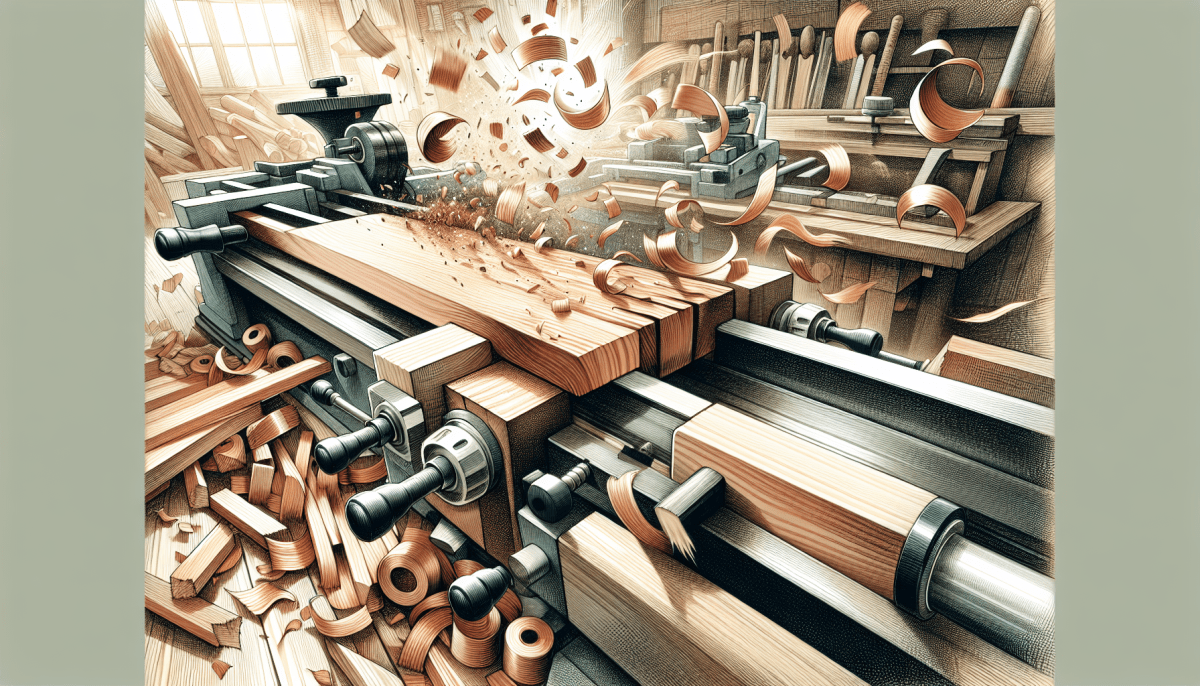
Using a jointer is pretty straightforward. You feed your wood through the machine, and it has sharp blades that shave off the high spots, leaving you with a perfectly smooth edge. Most jointers come with infeed and outfeed tables, which help support the wood as you glide it through. This ensures that you're not just flattening your board but also keeping it true and straight.
There are different types of jointers, from benchtop models that are light and portable to larger, stationary options for serious workshops. Depending on the size of your projects and space available, you can choose one that fits your needs. Just remember, investing in a quality jointer can make a big difference in the precision of your woodworking. So, whether you're a novice or a pro, having this tool in your arsenal can really up your game!
Key Features to Look For
When you're diving into the world of woodworking jointers, it's important to know what to look for. Here's a quick rundown of the key features that'll help you pick the perfect one for your projects:
These features can make a big difference in how effectively you can create those perfect joints. Make sure to take your time and consider what will work best for your specific woodworking needs!
Essential Tips for Using Your Jointer
Using a jointer might seem daunting at first, but with a few simple tips, you’ll be on your way to creating perfect joints in no time. First things first: always start with a clean, flat surface. A dirty or uneven board can throw off your entire project. Make it a habit to inspect your wood beforehand and clear away any dust or debris.
Next up, don’t rush the process. Take your time with each pass. Moving the wood too quickly can lead to inconsistent results. You want to take light cuts—around 1/32 of an inch is a good rule of thumb. This way, you’ll achieve a smooth, flat surface without stressing the machine or your wood.
Don’t forget about setting the infeed and outfeed tables correctly! Ensuring they are level with the cutter head is key to avoiding snipe and achieving that clean finish. If the wood dips between these tables, you could end up with uneven cuts. So, take a little extra time to adjust these setups before diving into your project.
Finally, remember to regularly check the knife blades. Dull blades will lead to tear-out and a rough finish, which can be frustrating. Changing blades might seem like a chore, but it’s worth it for the quality of your work. A sharp blade will glide through the wood, making the whole process smoother and more enjoyable.
Common Mistakes to Avoid
When you're diving into woodworking with jointers, it’s easy to make a few bumps in the road. Here are some common mistakes to steer clear of, so you can make perfect joints every time.
First off, don’t skip the setup! Many beginners rush into using their jointer without ensuring it's correctly adjusted. Always check the alignment of your infeed and outfeed tables. If they're not level, you’ll end up with uneven edges. A simple check with a straightedge can save you a lot of hassle.
Another pitfall is poor feeding technique. Pushing your wood through too fast can lead to tear-out or snipe—those little dips you definitely want to avoid. Take it slow and steady, and let the jointer do the work. Keep your hands clear of the blades, and use push blocks if needed for added safety.
Also, remember to pay attention to wood grain direction. Feeding wood against the grain can cause splintering. Always inspect your material and identify the grain direction before you start. You’ll thank yourself later when your joints are nice and smooth.
Lastly, don’t neglect maintenance. A dull blade can ruin even the best work. Check your knives regularly and sharpen or replace them as needed. Keeping your tool in top shape makes a world of difference in the results you achieve!