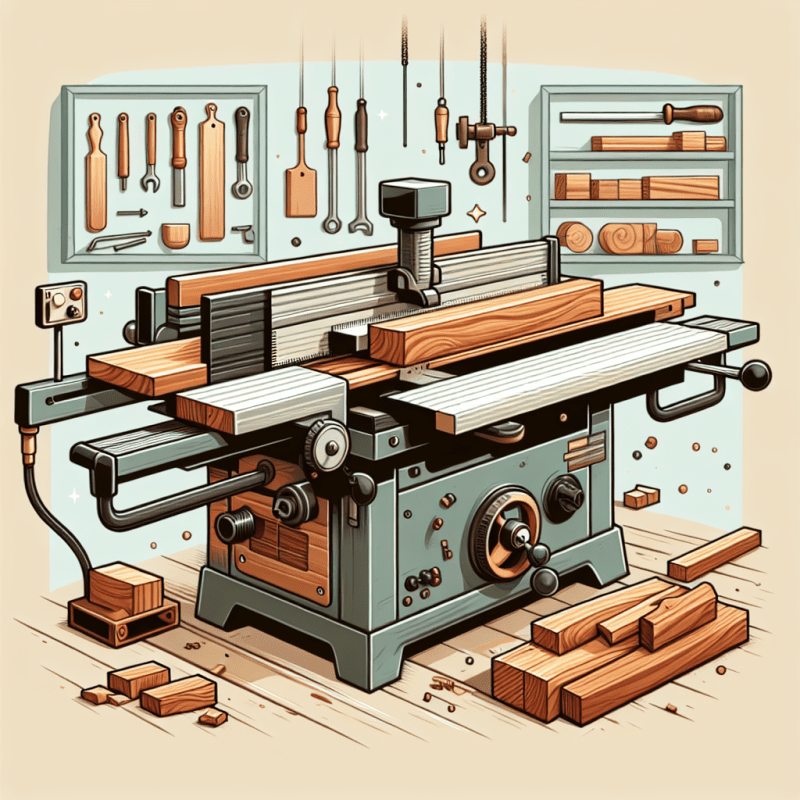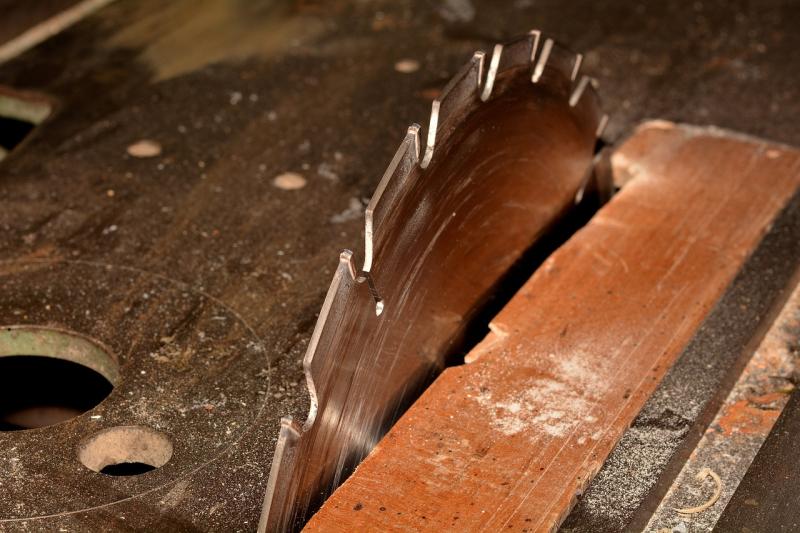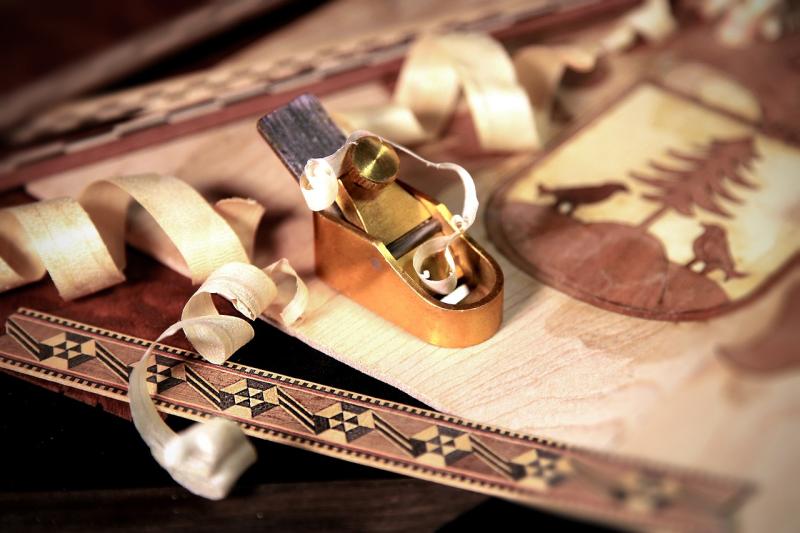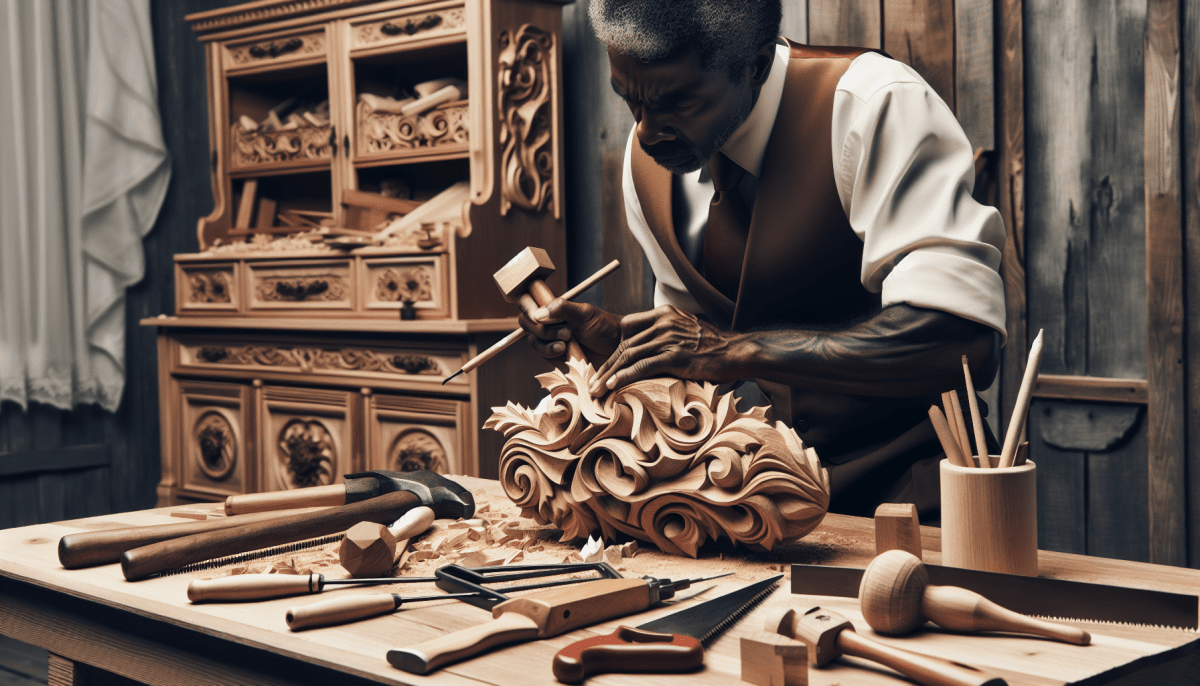
Getting into woodworking can feel a bit overwhelming at first, but having the right tools makes a world of difference. If you’re starting out, you don’t need to break the bank on fancy equipment. Here are some essential tools that are perfect for beginners and will set you up for success.
Once you have these basics, you can slowly build your collection as you gain confidence. Many of these tools are straightforward to use, and you’ll quickly learn their ins and outs through practice. Don't forget to take your time to learn how to use each tool safely—safety should always be the top priority!
Understanding Different Types of Wood
When it comes to woodworking, choosing the right type of wood can make all the difference. Each wood type has its unique characteristics, making some better suited for certain projects than others. Let’s dive into the most common types of wood you’ll encounter.
Softwoods are generally lighter and easier to work with, making them a favorite among beginners. They come from coniferous trees like pine, cedar, and spruce. Softwoods are often used for items like furniture, cabinets, and even outdoor structures. One of their biggest perks is they usually cost less than hardwoods!
Hardwoods, on the other hand, come from deciduous trees such as oak, maple, and cherry. These woods are denser, giving them a beautiful finish and durability that can last for years. They’re great for creating high-quality furniture or intricate designs due to their strength and resistance to wear. While they may be pricier, the investment often pays off in the long run.
Another term you might hear is engineered wood, which is made from various wood pieces that are glued together. This type includes options like plywood and MDF. Engineered wood can be a budget-friendly alternative to natural woods, and it’s often more stable and less prone to warping. It's perfect for projects where you need consistent quality.
When picking wood for your project, always consider its purpose. Are you making something sturdy, or something decorative? Understanding these different wood types can help you choose the best option that suits your project’s needs and your skill level.
Basic Techniques to Start Your Journey
Getting started in woodworking can feel a bit overwhelming, but don't worry! Everyone has to start somewhere, and with a few basic techniques, you’ll be on your way to creating some amazing projects. Let’s break it down so it feels manageable.
First off, familiarize yourself with the tools. You don’t need a full workshop right away; just a few essential tools can help you get going. Consider starting with:
Next, practicing good measuring and cutting techniques is key. Measure twice and cut once is a golden rule in woodworking. It helps ensure your pieces fit together just right and minimizes waste. Also, take your time when making cuts—your patience will pay off in the long run.
Don’t overlook the value of joining techniques! Learning how to use wood glue, screws, or dowels to join pieces together will open up a world of possibilities for your projects. Test out these methods on scrap wood first, so you get comfortable before moving on to your main projects.
Finally, just dive in and start making something! Whether it’s a simple shelf or a small box, the more you practice, the better you'll get. Remember, every master was once a beginner, so enjoy the journey and let your creativity shine!
Common Mistakes and How to Avoid Them
When you're starting out in woodworking, it's easy to make a few blunders. Don’t worry, we’ve all been there! Here are some common mistakes you might encounter and tips on how to steer clear of them.
1. Skipping Measurements
It’s tempting to eyeball your cuts and measurements, but that can lead to a lot of frustration down the line. Always measure twice and cut once! A simple tape measure can save you from a lot of headache. Consider using a square tool for more precise angles, too.
2. Ignoring Wood Quality
Not all wood is created equal. Beginners sometimes grab the cheapest option without considering how it will impact the final project. Look for wood that feels solid and has minimal knots or warping. It’s worth spending a little extra for quality wood that will hold up better in the long run.
3. Forgetting Safety Gear
Safety should always come first. It can be easy to skip a pair of safety glasses or gloves, but don’t! Protecting your eyes and hands is essential, especially when working with saws and chisels. Make it a habit to wear safety gear, no matter how small the job seems.
4. Overcomplicating Projects
As a newcomer, it's best to start with simple projects. Jumping straight into complex builds can lead to burnout and disappointment. Pick beginner-friendly plans that will help you hone your skills without overwhelming you. Small wins will keep your motivation high!