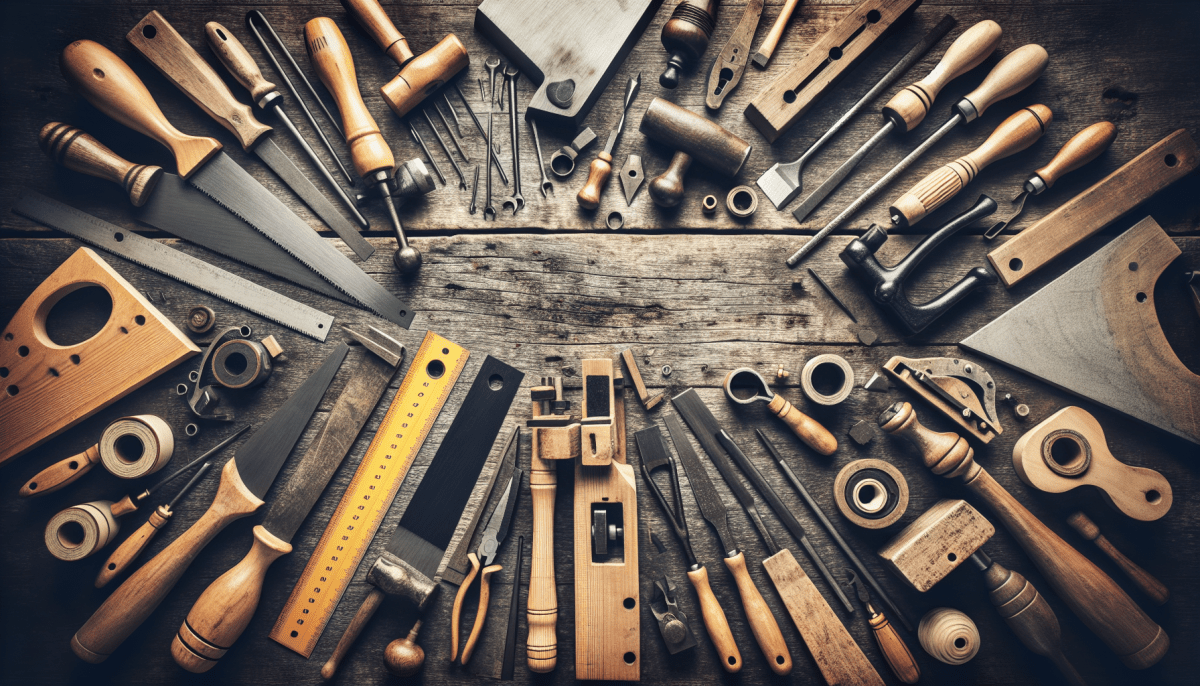
Every woodworker, whether you're just starting out or a seasoned pro, needs a solid set of essential hand tools. Having the right tools can make all the difference in your projects, helping you work efficiently and achieve great results. Let’s dive into some must-have hand tools that every woodworker should have in their toolbox.
1. Tape Measure
Accurate measurements are everything in woodworking. A good tape measure is crucial for cutting and fitting pieces. Look for one that has both metric and imperial measurements so you can easily switch between them as needed. A retractable design is handy for quick use, too!
2. Chisels
Chisels are incredibly versatile. They help with everything from cleaning up joints to creating intricate designs. Make sure to invest in a quality set that includes different sizes. You can also sharpen them regularly to keep them in prime condition.
3. Hand Saw
While power saws are great, having a reliable hand saw in your toolbox is essential for those precise cuts. Look for a crosscut saw for cutting across the grain and a rip saw for cutting with the grain. There are also specialized saws, like dovetail saws, if you’re into finer details.
4. Square
A square is vital for ensuring your cuts are straight and your joints fit perfectly. A combination square can be especially useful as it allows you to measure both 90 and 45-degree angles. It's a straightforward tool that packs a lot of power in helping you achieve accuracy.
The Best Hand Tools for All Levels
When it comes to woodworking, having the right hand tools can make all the difference. Whether you’re just starting out or you’ve been at it for years, the best hand tools are the ones that fit your needs and help you work more efficiently. Here are some top picks that work well for everyone, no matter your skill level.
1. Hand Saw: A good hand saw is essential for those precise cuts. Look for a quality saw that feels comfortable in your hands. If you’re doing a lot of crosscutting, a crosscut saw will be your best friend. For rip cuts, try a ripping saw. Trust me, these will give you cleaner, more accurate cuts compared to power saws, especially for smaller projects.
2. Chisels: A solid set of chisels is a must-have for any woodworker. They’re perfect for cleaning up joints, crafting intricate designs, or making quick adjustments. Make sure to invest in a few different sizes. A well-tuned chisel can cut like butter, making your work not only easier but also more enjoyable.
3. Clamps: You can never have too many clamps! They’re crucial for holding your pieces in place while you work. Whether you need bar clamps for larger projects or smaller quick-release clamps for quick jobs, having a variety on hand means you’ll always be prepared. Look for ones that are easy to adjust and provide plenty of gripping power.
4. File and Rasp Set: To get that smooth finish on your projects, files and rasps are invaluable. They allow you to refine shapes and edges without losing control. Having a mix of coarse and fine options ensures you can tackle any finishing detail, giving your projects that professional touch.
Choosing the Right Tools for Your Projects
When it comes to woodworking, having the right tools can make all the difference. You don’t need a massive workshop filled with fancy gadgets. Sometimes, a few basic tools can do the trick and keep your projects running smoothly. Here are some things to consider when picking out tools for your woodworking adventures.
First off, think about the kind of projects you'll be tackling. Are you building furniture, or perhaps doing some smaller DIY crafts? If you're starting with larger projects, you'll want sturdy tools like a reliable circular saw or a good-quality miter saw. For smaller projects, hand tools like chisels and coping saws might be more your speed.
Next, quality matters. Look for tools that feel solid in your hand and have good reviews. They don’t always have to be the most expensive ones, but decent quality can save you headaches down the road. Remember, a sharp blade or well-made handle can make your work a lot more enjoyable.
Don’t forget about versatility. Some tools can do multiple jobs, which is especially useful if you’re working with limited space or budget. A combination square, for instance, can help with both marking and measuring—two essential tasks in any woodworking project.
Last but not least, consider your comfort. You’ll want tools that fit well in your hand and are easy to use over extended periods. Look for ergonomic designs and features that will keep you engaged in your work without wearing you out. Happy woodworking!
Caring for Your Woodworking Hand Tools
First up, always remember to clean your tools after each use. Wood shavings, dust, and moisture can build up, leading to rust or other damage over time. A simple wipe down with a cloth will do wonders. For stubborn grime, a soft brush can help reach those tricky spots. Don’t forget to pay special attention to wooden handles, too! A bit of oil can keep them from drying out.
Next, sharpening is key. Dull blades can make woodworking frustrating, and they can even lead to mistakes. Invest in a good sharpening stone or sharpening guide. A quick touch-up after each project can keep your tools slicing through wood like butter.
Lastly, store your tools properly. A tool chest or wall-mounted pegboard not only keeps everything organized but also protects tools from damage. Keep them in a dry place to prevent rust and be sure to keep them out of direct sunlight.